Material discipline
Grade selection is tied to measurable strength, ductility, coating and fatigue requirements.
Founder narrative
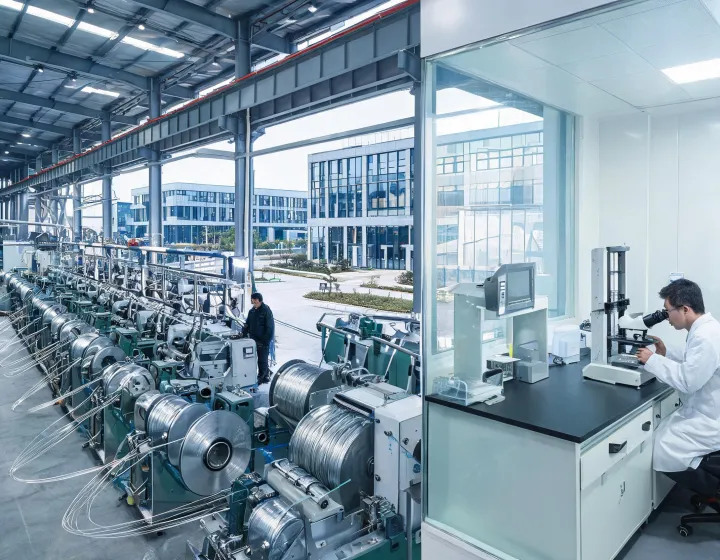
Bekaert grew around a simple industrial challenge: make wire strong, consistent and usable in real work. Today that same discipline is applied to mesh, steel fiber, high tensile wire and specialty wire programs that have to survive installation, load and audit scrutiny.
Narrative with pullquote
The Bekaert story is not presented as a nostalgia piece. It matters because wire products are often invisible once they enter a structure, machine, fence line, filter body or reinforced slab. If the wire has the wrong tensile class, coating mass or fatigue profile, the problem appears later and costs more to isolate. That is why the company culture keeps production knowledge close to customer specification work.
Wire looks simple until a batch must hold strength, finish, weldability and traceability at the same time.
Across global programs, Bekaert teams work with procurement groups, concrete technologists, OEM engineers, fabricators and infrastructure contractors. The common thread is controlled conversion of steel rod into wire products that behave predictably. A sales conversation therefore includes technical assumptions: the environment where the wire will operate, the forming or installation method, how the product will be inspected and which documents need to accompany delivery.
This operating style gives Bekaert a precise voice. The brand does not rely on vague claims about toughness. It talks about high tensile wire, galvanized coating duty, steel fiber geometry, mesh opening, dimensional tolerance, mill test reports and application qualification. Those details are where buyers reduce risk.
Grade selection is tied to measurable strength, ductility, coating and fatigue requirements.
Shipment support keeps material records connected to the batch, not buried in a separate process.
Wire experts speak with civil, OEM and industrial teams using the vocabulary of the end use.
Programs are structured so repeat orders can maintain the same specification intent across regions.

Bekaert commercial teams are expected to understand why an engineer asks for elongation, bend behavior, zinc layer, pull-out performance or heat traceability. That knowledge makes quoting slower than a generic catalog response, but it reduces the chance that a buyer receives a technically convenient substitute.
Industrial buyers usually need both technical evidence and predictable releases. Bekaert combines the two by aligning specification records, packaging decisions and logistics planning. That approach supports repeat supply for wire mesh, steel fiber, high tensile fencing wire and OEM wire components without treating each release as a new experiment.
Company contact
Early review can prevent mismatched tensile class, coating route, packaging format or documentation scope.